 Sex Club Paris
Strip clubs and gentlemen's clubs in Paris
Every strip club we list in Paris: what each one is, when it opens, who gets in and how to reach it.
The clubs of Paris, one by one
Clubs that sell a show: dancers on a stage, private dances and drinks.

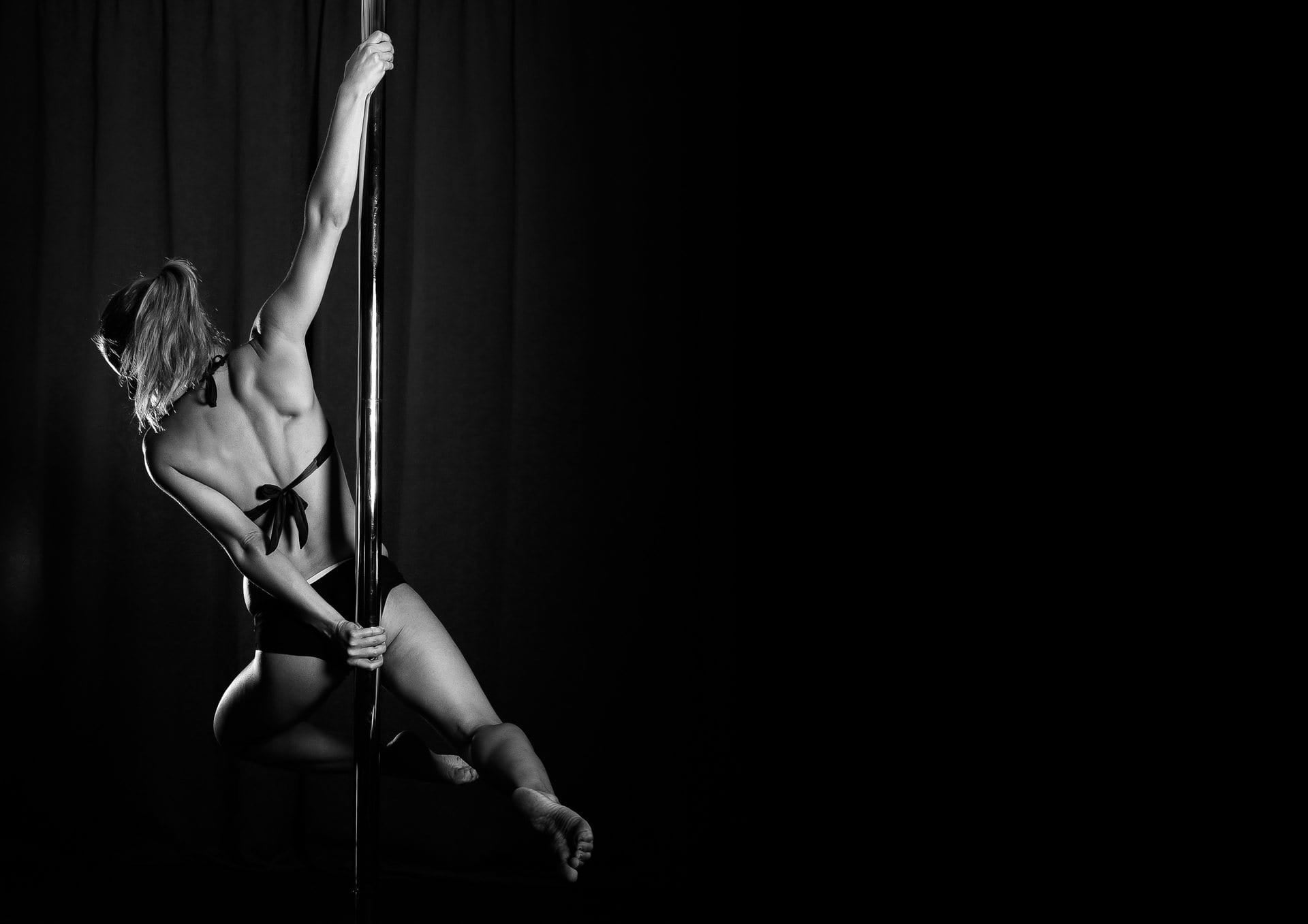
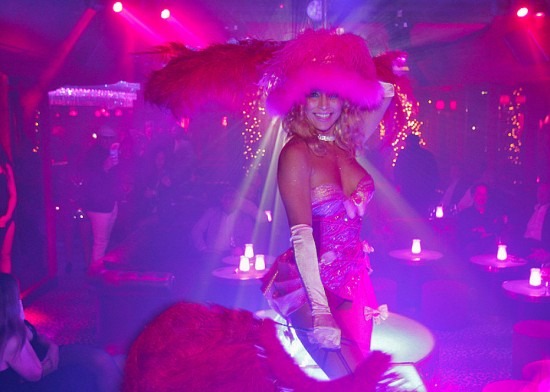
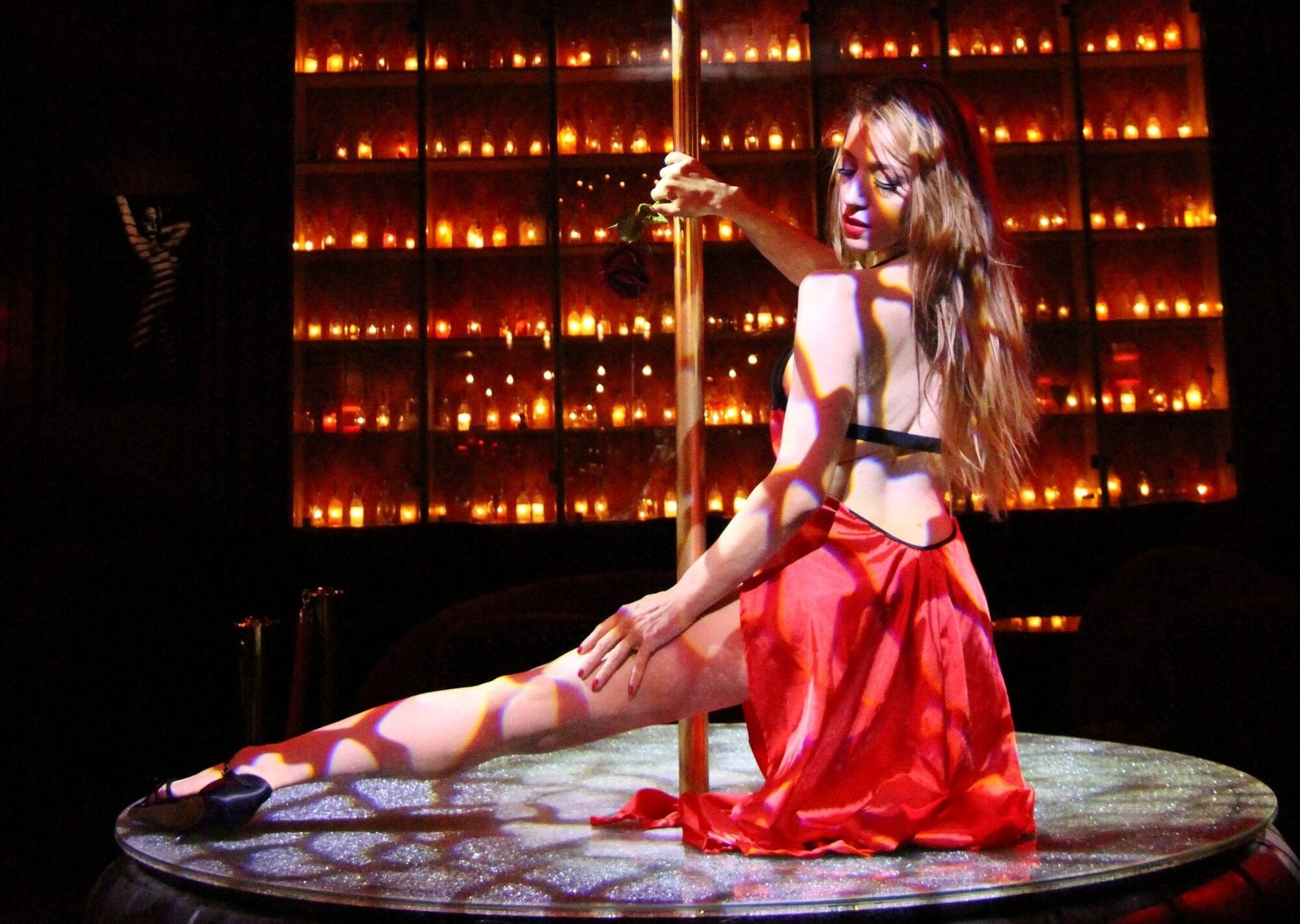

The clubs compared
| Club | Area | Hours |
|---|---|---|
| Club Azur | Cambronne | 23:00 - 07:00, Thu-Sat |
| G Spot Club | Champs-Élysées | 22:30 - 05:00, Mon-Sat |
| Pink Paradise | Champs-Élysées | 22:30 - 06:00 |
| Secret Square | Ternes | 22:00 - 04:00, Tue-Sat |
| Théâtre ChoChotte | Saint-Michel | 12:30 - 00:30, Mon-Sat |
| Whisper Club | Champs-Élysées | 22:00 - 05:00 |
Paris after dark has a rhythm of its own, and for a certain kind of visitor, usually a man in town for a trade fair, a business dinner or a weekend between meetings near the Champs-Élysées or Opéra, that rhythm often leads to a strip club. The clubs are part of the city's nightlife landscape the way the late-night brasseries and hotel bars are: places to end an evening, have a drink, watch a staged show and, if you want, book a private dance. This guide gathers the strip clubs of Paris in one place, with the practical detail that matters when you are deciding where to go and what to expect. It is written for adults who want a straightforward picture before they set out.
This is a directory, and it does what a directory can honestly do: it gathers public listings, photos, opening hours and contact details that the clubs themselves publish, and lays them out so you can compare. It does not sell tickets, take bookings on a club's behalf or stand at anyone's door. What it can give you is orientation: which streets the clubs sit on, roughly when they open and close, what kind of room to expect and how the evening tends to run. The rest, from the entry terms to the dress code, is set by each club and published by each club.
The scene is concentrated and easy to read once you know the geography. Most of the clubs sit in the side streets just behind the Champs-Élysées, in the 8th arrondissement, on rue de Berri, rue de Ponthieu and rue d'Artois. One club with its own restaurant is on avenue des Ternes in the 17th, near the Étoile. A small strip cabaret holds the Left Bank on boulevard Garibaldi in the 15th, and a small striptease theatre on rue Saint-André des Arts in the 6th runs short staged shows from lunchtime. That spread means the scene is not one long strip of identical doors but a handful of distinct addresses, each with its own character.
What a Paris Strip Club Is
A strip club in Paris is, at its heart, a bar with a stage. You walk in, you order a drink, you take a seat and you watch a show: dancers performing on a stage and at a pole, in sets that run through the night. Between sets, dancers move through the room and you can arrange a table dance or, in most clubs, a private dance in a separate salon. The format is simple and consistent, and it is worth understanding before you go so that nothing about the evening surprises you. The club sells a show, dances and drinks, and that is the whole of the transaction.
The stage show is the anchor of the night. Sets are short and rotate, with different dancers taking the stage and the pole in turn, so the room always has something happening. You are not expected to watch every minute, and nobody will mind if you spend a set talking to the person beside you. The pace is relaxed rather than theatrical: this is a bar with entertainment, not a production with a curtain time. You arrive when you like, stay as long as you like and leave when you have had enough.
Private dances are the second pillar, and they are arranged directly with the dancer, usually after she has come to your table or after a stage set. In most clubs there is a salon or a curtained area away from the main room, and the dance is a paid arrangement on top of your drinks. The details vary from club to club, but the principle does not: you agree what you are paying for before it starts, and the rules of the house apply throughout. Looking without touching is the house rule, and it is not negotiable.
The bar is the third pillar, and it matters more than first-time visitors expect. Some clubs publish entry terms that include a drink, others charge entry and drinks separately, and one is free to enter. Whatever the arrangement, you should assume that drinks and dances are paid on top of whatever the door charges. Budget for the evening the way you would for a good cocktail bar with a show attached, and you will not be far off.
The clearest way to understand what these clubs are is to see what they are not. They are not the famous revue cabarets, the large houses with dinner service, a full orchestra and a choreographed spectacle that runs to a fixed schedule and a fixed ticket price. A revue is a show you book like a theatre ticket, often weeks ahead, and the evening is built around the performance. A strip club is a bar you walk into, where the show is continuous and the evening is built around your own timing. Both are legitimate nights out in Paris, but they answer different questions.
The distinction matters because visitors often arrive with the revue model in mind and are surprised by the club model. At a revue you are one of several hundred in a darkened auditorium, and the evening is scripted from the first note to the last. At a strip club you are in a smaller room, the dancers are close enough to see clearly, and the evening is yours to shape. If you want a grand production with a dinner, book a cabaret. If you want a drink, a stage, a pole and the option of a private dance, you want a strip club.
This directory covers the strip clubs of Paris and nothing else.
Finally, a word on tone. The Paris strip club is a civilised night out, closer to a late bar with a stage than to anything more sensational. Men come alone, in pairs or in small groups after dinner, and nobody is treated as an outsider for arriving on his own. If you behave the way you would in any good bar, you will be treated the way any good bar treats a polite guest.
How a Strip Club Night Works
The evening starts at the door, and the door sets the tone. Every club is for adults only, and identity papers may be checked when you arrive, so carry your passport or national ID card rather than leaving it in the hotel safe. Several clubs ask for smart dress, which in practice means trousers rather than shorts, closed shoes and a shirt or a decent jacket. A jacket is never wrong in the 8th arrondissement. If you are coming straight from a trade fair in a polo shirt and trainers, it is worth going back to the hotel to change.
Entry terms are published by each club and vary more than visitors expect. Some charge an entry fee that includes a drink, some charge entry and leave drinks to be paid at the bar, and one has free entry. None of these terms is a secret, and the club will tell you at the door what applies that night. Ask if it is not clear, and pay what is asked without haggling. The entry fee is the entry fee, the drinks are the drinks and the dances are the dances, and keeping those three things separate in your head makes the evening simple.
Once inside, you will find a room laid out around the stage, with private salons apart from the main room. You take a seat, order a drink and settle in. There is no schedule to follow and no obligation to do anything but watch. The dancers rotate through sets, and between sets they come into the room. If you want a table dance, you arrange it with the dancer; if you want a private dance, you arrange that too, and you will be shown to the salon.
The private dance is the part of the evening that most needs a clear head. You agree the arrangement before it begins, and you follow the house rules while it lasts. Looking without touching is the house rule, and it applies in the salon exactly as it applies in the main room. Photos and videos are not allowed anywhere in the club, so leave your phone in your pocket. If you are unsure about anything, ask the dancer or a member of staff before rather than during, and the evening will run smoothly.
Drinks work the way drinks work in any bar. You order from the bar or from a waiter, you pay as you go or run a tab depending on the house, and you tip if the service deserves it. Some clubs include a drink with entry. Do not expect to negotiate the price of a drink, and do not expect the bar to be cheap: these are late-night venues in central Paris, and the prices reflect that. If you are watching your budget, decide before you go in what you want to spend and stick to it.
The hours are worth knowing before you set out. The bar clubs open late, between ten and eleven at night, and close between four and seven in the morning. Several close on Sundays, and one opens only from Thursday to Saturday. That means a Tuesday evening in Paris offers fewer doors than a Friday, and a Sunday offers fewer still. If your trip is built around a trade fair that runs through the weekend, plan your night out for the Thursday, Friday or Saturday, and check the listing for the specific club before you go.
Two practical rules cover most of what can go wrong. The first is that the club is a business with rules, and the rules exist to keep the evening civil for everyone in the room. The second is that you are a guest, and guests who are polite, patient and clear about what they want have a better night than guests who are not. Arrive reasonably sober, dress with a little care, keep your phone away, respect the no-touching rule and pay what you agreed. Do that, and the evening takes care of itself.
Where the Clubs Sit and Getting There
The geography of the Paris strip club scene is compact, and knowing it saves you a wasted taxi ride. Most of the clubs are in the 8th arrondissement, in the grid of streets just behind the Champs-Élysées: rue de Berri, rue de Ponthieu and rue d'Artois. These are short streets running between the avenue and the Faubourg Saint-Honoré, a few minutes' walk from the George V and Saint-Philippe-du-Roule metro stations. If you are staying near the Champs-Élysées or the Opéra, this cluster is the easiest part of the scene to reach.
The rest of the scene is spread across the city in a way that rewards a little planning. One club with its own restaurant is on avenue des Ternes in the 17th arrondissement, near the Étoile, which makes it a natural stop if you are coming from La Défense or the business hotels around Porte Maillot. A small strip cabaret is on boulevard Garibaldi in the 15th, on the Left Bank, within reach of Montparnasse. A small striptease theatre on rue Saint-André des Arts in the 6th, between Saint-Michel and Odéon, runs short staged shows from lunchtime, which makes it the odd one out.
Getting to the 8th is straightforward at almost any hour. The metro lines that serve the Champs-Élysées and the surrounding streets run until about one in the morning, later on Friday and Saturday nights, so an evening that starts at ten is easy to reach by metro. If you are coming from a dinner in Saint-Germain or the Marais, a taxi or a ride-hailing car is the simpler choice, and the fare across the river is short. The 17th and the 15th are a little further out but still within a reasonable ride from the centre.
Getting back is the part that needs a plan, because the metro does not run all night. Services stop around one in the morning from Sunday to Thursday, and later on Friday and Saturday nights, which means a club that closes at five leaves you relying on night buses, taxis and ride-hailing cars. All three run through the night, and the 8th arrondissement is one of the easiest places in Paris to find a car. If you are staying on the Left Bank, expect a longer ride home from the 8th than the ride out, and budget for it.
A few habits make the night easier. Save your hotel address in your phone before you go out, because the streets behind the Champs-Élysées look similar at four in the morning. Keep some cash for the ride home in case a card reader is down. If you are in a group, agree a meeting point in case you separate. And if you are staying near the Opéra, remember that the walk from the 8th is pleasant in the early evening and less so at closing time, so decide before you leave whether you are walking or riding.
Choosing the Club for Your Night
Choosing a club is less about finding the best one and more about matching the room to the evening you want. The first variable is setting. The 8th arrondissement clubs are the classic version: rooms behind the Champs-Élysées with a bar, a stage and a pole. The club on avenue des Ternes in the 17th adds a restaurant, which makes it a natural choice if you want to eat and then stay. The Left Bank addresses, on boulevard Garibaldi and rue Saint-André des Arts, are smaller and, in the case of the 6th, run staged shows from lunchtime.
The second variable is the size of the room, and it changes the feel more than anything else. A small room means the stage is close, the dancers are near enough to see clearly and the evening feels intimate. A larger room means more space, more seats and a slightly more public atmosphere. Neither is better, but they suit different moods. If you are on your own and want to watch quietly, a small room is easier. If you are with colleagues and want a table and some room to talk, a larger one may suit better.
The third variable is the hours, and it is the one most often overlooked. The clubs open late, between ten and eleven at night, so there is no point arriving at nine. They close between four and seven in the morning, which means a late start still leaves you hours. Several close on Sundays, and one opens only from Thursday to Saturday. If your only free night is a Sunday, check the listing before you build your evening around a particular club, because the door may simply be shut.
The fourth variable is the entry terms and the dress code, which are published by each club and worth reading before you go. Some charge an entry fee with or without a drink, one has free entry, and drinks and private dances are paid on top everywhere. Several ask for smart dress. Reading those terms takes two minutes and saves an awkward conversation at the door. It also helps you budget: a free-entry club and a club with an entry fee are different propositions once you are inside.
Put those four variables together and the choice usually makes itself. A man staying near the Champs-Élysées with a free Friday night wants the 8th arrondissement cluster, a jacket and a late start. A man staying near Porte Maillot with a dinner booked wants the avenue des Ternes club with its restaurant. A man with a free afternoon on the Left Bank might take in the short staged shows on rue Saint-André des Arts. A man whose only free night is a Sunday should check the listings first and expect a quieter choice.
One last piece of advice, and it is the most useful in this guide. Decide what kind of evening you want before you look at the listings, not after. If you want a drink and a show, almost any club will do. If you want a private dance, check that the club has a salon. If you want to eat first, the restaurant club is the obvious answer. If you want to be back at your hotel by two, choose a club that opens at ten and go early. The directory gives you the facts; the evening is yours to plan.
Your First Visit Step by Step
The first visit is easier than most people expect, and the trick is to arrive with a clear head and a little patience. Most of the clubs behind the Champs-Élysées open late, between ten and eleven at night, so turning up at nine will usually mean standing on a quiet street with the shutters down. Check the opening hours on the listing before you leave your hotel, because several houses close on Sundays and one opens only from Thursday to Saturday. If you are coming straight from a trade fair at Porte de Versailles or a meeting near Opera, go back to your hotel first, change, and eat something. A club is a late-night place and the rhythm of the evening is slow at the start.
When you reach the door, the person outside is there to manage the house, not to test you. Greet them, say how many of you there are, and ask about entry terms if you are unsure. Some clubs charge an entry fee with or without a drink included, one has free entry, and drinks and private dances are paid on top, which means the first conversation at the door is worth having. Have your identity papers ready, because every club is for adults only and papers may be checked at the entrance. A passport or a national identity card is the safe choice for a visitor. If the house is full or a private event is running, the door will tell you and you can simply come back another night.
Inside, take a moment before you do anything. The bar is the natural first stop, and ordering a drink gives you time to read the room. Look at how the space is arranged: where the stage and the pole sit, where the tables are, where the private salons are, and where the dancers move between the two. Most houses run a continuous cycle of stage sets with table dances and private dances in between, so nothing is missed if you sit down for ten minutes. If you are alone, the bar is a fine place to be, and if you are in a group, a table away from the stage usually works better for conversation.
The house rules are short. Looking without touching is the rule everywhere, photos and videos are not allowed, and several clubs ask for smart dress. Staff will remind you if you forget, and the reminder is not an invitation to argue. Keep your phone in your pocket. If you want a table dance or a private dance, ask a member of staff rather than approaching a dancer mid-set, and settle the cost before it begins so there is no confusion afterwards. Tipping is normal when you have had good service at the bar or a good table.
Leaving is as simple as arriving, but plan the ride home. The metro stops running around one in the morning, later on Friday and Saturday nights, while night buses, taxis and ride-hailing cars run all night. If you are staying near the Champs-Élysées, Opera or Saint-Germain, the ride is short and the streets behind the avenue are easy for a driver to reach. Keep your hotel address written down or saved, especially if you have had a few drinks. Pay your tab at the bar before you go.
House Rules Every Club Expects
Every club in Paris runs on the same handful of rules, and they exist to keep the evening comfortable for guests and dancers alike. The first is the simplest: you look, you do not touch. Dancers perform on a stage and at the pole, and they come to the tables for dances, but you keep your hands to yourself. If you are unsure, keep your hands where they can be seen. Nobody will think less of you for asking. The rule is not there to catch you out, it is there so that everyone in the room knows what kind of night this is.
The second rule is no photos and no videos. This covers your phone, your camera and anything else with a lens, and it applies to the stage, the room and the people around you. Clubs may ask you to put your phone away. A guest who tries to film a set is the one thing that will get a friendly night cut short. The same discretion runs the other way: what you see inside stays inside, and other guests are there for the same reason you are. If you recognise someone from a trade fair or a conference, you have not seen them, and they have not seen you.
Respect for the dancers is the third rule and the one that matters most. They are at work, they set the pace, and a no is a no. Do not follow a dancer between sets, do not shout across the room, and do not negotiate in the middle of a stage show. If you want a table dance or a private dance in a salon, ask a member of staff, who will arrange it and tell you the terms. Compliments and good manners go a long way. A dancer who feels comfortable at your table will give you a better evening than one who is watching your hands.
Dress and behaviour are part of the same package. Several clubs ask for smart dress, which in practice means trousers rather than shorts, closed shoes, and a shirt or a good jumper. Leave the sports gear at the hotel. Keep your voice at conversational level, do not crowd the stage, and do not block the bar for other guests. If you are in a group, keep the group under control. A loud table of ten is welcome if it behaves, and turned away if it does not. The door has seen every kind of party and will make a quick judgement.
Finally, follow the house on the small things. Sit where you are asked to sit, keep your drinks at your table rather than on the edge of the stage, and pay your tab as you go or when you leave, whichever the bar prefers. If a member of staff asks you to move or to stop something, do it the first time. These are short rules, and once you are inside they become invisible. The evening works because everyone, guest and dancer, knows the same few lines. Learn them once and you can walk into any of the clubs on rue de Berri, rue de Ponthieu or rue d'Artois with the confidence of a regular.
Dress Code and What to Bring
What you bring to a Paris strip club fits in two pockets. The first is your identity papers, because every club is for adults only and papers may be checked at the door. For a visitor, a passport is the safest document, and a national identity card works just as well. A photograph of your passport on your phone is not the same thing, so carry the real one. If you are in Paris for a trade fair, your badge is not an identity document, so keep your passport in your jacket. The second pocket is your means of payment, because each club publishes its own entry terms and drinks and private dances are paid on top.
On dress, the safe rule is smart casual and then a notch up. Trousers, closed shoes and a shirt or a good jumper should get you through the door. Shorts, vests, flip-flops and sports caps are the usual reasons a door says no. Several clubs ask for smart dress, and a jacket is never wrong near the Champs-Élysées, where the houses sit in the streets just behind the avenue. If you are coming from a long day at a convention, go back to the hotel and change. It takes twenty minutes and it changes the evening.
Bring money the way you would for any late night in Paris, and think about how you want to pay. A little cash is useful for a taxi or a small tip, and it saves a conversation if a card machine is down. Check the entry terms on the listing before you go: some clubs charge an entry fee with or without a drink, one has free entry, and drinks and private dances are paid on top. Settle the cost of a table dance or a private dance before it starts, so the only thing you think about afterwards is the show.
Leave the rest at the hotel. A large bag, a laptop and a coat full of trade fair samples are a nuisance at the door and at the bar. Do not bring a camera, and do not plan to film anything, because photos and videos are not allowed. If you are with colleagues, agree before you arrive on how you are splitting the bill, so nobody is doing arithmetic at four in the morning. And bring a little patience: the best nights start slowly, with a drink at the bar and a look at the room.
One more thing worth carrying is a plan for getting back. The metro stops running around one in the morning, later on Friday and Saturday nights, so know where the nearest night bus stops or have a ride-hailing app ready. If your hotel is near Opera or Saint-Germain, the ride from the 8th is short and cheap enough to split. Write the hotel address in French on a piece of paper if your French is shaky. It is the one small preparation that turns a good night into an easy one.
Questions to Ask Before You Go
A good club will answer a few short questions before you turn up, and asking them saves you a wasted taxi ride. The first is about opening hours on the night you plan to visit. The bar clubs open late, between ten and eleven at night, and close between four and seven in the morning, but several close on Sundays and one opens only from Thursday to Saturday. Ask specifically about your date rather than the general week. If you are in Paris for a trade fair that runs to Sunday, that question alone can save your last night.
The second is about entry terms. Each club publishes its own arrangement, so ask whether there is an entry fee, whether a drink is included with it, and whether the house has a free entry night. You do not need a figure on the phone, just the shape of it: entry with a drink, entry without, or no entry at all, with drinks and private dances paid on top. Ask the same about table dances and private dances in the salons, so you know how they are arranged and how they are paid for. A club that answers these questions plainly is a club that runs a straightforward house.
The third is about dress. Ask whether the house asks for smart dress, and describe what you plan to wear. Near the Champs-Élysées the answer is often yes, and a jacket is the safe choice. Ask about groups too if you are more than four: some houses take reservations for a table, some do not, and some will tell you to come early because the door fills after midnight. If you are organising a bachelor party, say so. A club that knows what kind of group is coming can tell you whether the night suits you, and it is better to hear that on the phone than at the door.
The fourth is about the room itself. Ask whether there is a stage and a pole, whether there are table dances, and whether there are private dances in salons, because the houses differ and so does the pace of the evening. Ask how the night is organised, whether sets run continuously or there is a schedule, and whether there is a restaurant if you want to eat before the show. The club on avenue des Ternes in the 17th, near the Étoile, has its own restaurant, which makes it a different proposition from a bar club behind the avenue. The small striptease theatre on rue Saint-André des Arts in the 6th runs short staged shows from lunchtime, so ask about the early slot if you are on a tight schedule.
The fifth is about access and the ride home. Ask for the nearest metro stop and the nearest night bus, and ask what time the house fills and what time it empties. If you are staying near Opera and want to walk, ask whether the streets are busy at the hour you plan to leave. None of these questions is difficult, and any club used to foreign visitors will answer them without fuss. Ask them by phone or through the contact details on the listing, keep the answers short, and you will arrive knowing exactly what kind of night is waiting.
Nights Out for Visitors in Paris
Timing is the whole game in Paris. The clubs behind the Champs-Élysées open between ten and eleven at night, and the room does not fill until midnight or later, so an early arrival gets you a good table and a quiet drink. If you have a dinner that runs long, you lose nothing by arriving at half past eleven. If you have an early flight, go early and leave early, because the houses close between four and seven and the last hour is not the best hour. Friday and Saturday are the busiest nights and the metro runs later, which makes them the easiest nights for a visitor. Sunday is quiet everywhere, and several houses are shut.
Trade fairs and conventions set the rhythm of the Paris week, and the clubs know it. When a big show is on at Porte de Versailles or Villepinte, the hotels around the 8th fill with people in the same position as you, and the bars behind the avenue get busy after ten. Book your dinner before the show rather than after, and treat the club as the second half of the evening rather than the whole of it. If you are at a fair all week, save your late night for the one evening you have nothing the next morning.
Groups need a plan. If you are six or more, choose one club rather than touring three, because a group that arrives together and stays together has a better night than one that drifts. Agree on a meeting point, agree on a time to leave, and agree on how the bill is split before you go in. Bachelor parties are welcome in most houses if they behave, but the door will judge the group as a whole, so keep the noise outside the door and the fancy dress at the hotel. A stag party in matching shirts will get in at some houses and not others, and the ones that say no are usually right. Dress the group up rather than down, and the evening looks after itself.
For a solo visitor, Paris is an easy city to go out in. Sit at the bar, order a drink, watch the stage and talk to the staff if you want company. Nobody will press you to do anything. If you are near Saint-Germain, the small striptease theatre on rue Saint-André des Arts, between Saint-Michel and Odéon, runs short staged shows from lunchtime, which suits a visitor with an evening already booked. On the Left Bank, the small strip cabaret on boulevard Garibaldi in the 15th is a short ride from Montparnasse and a different kind of night from the 8th.
Finally, plan the ride home before the last drink. The metro stops around one in the morning, later on Friday and Saturday, and night buses, taxis and ride-hailing cars run all night. If you are staying near the Champs-Élysées, walk. If you are near Opera, the ride is ten minutes. If you are in Saint-Germain, take a taxi rather than a long walk at four in the morning. Keep the evening simple: one good club, a proper dinner, a drink at the bar and a short ride back. That is how the people who live in Paris do it, and it works just as well for a visitor with a badge in his pocket and a flight the next day.
Frequently asked questions
What is a strip club in Paris, and how is it different from a revue cabaret?
A strip club in Paris is a late-night bar with a stage, dancers and a small floor, where you watch a show over a drink. A revue cabaret is a large theatre with a full company, costumes, choreography and a fixed seating plan booked in advance. At a club, the night is informal: you arrive when you like, sit at the bar or a table, and the programme runs in short sets through the night. At a cabaret, you buy a ticket for a specific performance and the evening is scripted from start to finish. If you want spectacle with a big production, book the cabaret. If you want a drink, a stage, a pole and dancers close to the floor, book the club.
Where are the strip clubs in Paris?
Most of them sit in the side streets just behind the Champs-Élysées, in the 8th arrondissement, around rue de Berri, rue de Ponthieu and rue d'Artois. One with its own restaurant is on avenue des Ternes in the 17th, near the Étoile. A small strip cabaret is on boulevard Garibaldi in the 15th, on the Left Bank, and a small striptease theatre on rue Saint-André des Arts in the 6th runs short staged shows from lunchtime. That geography matters when you book a hotel: staying near the Champs-Élysées or Opéra puts most of them within a short walk.
Who gets in?
Every club is for adults only, and identity papers may be checked at the door, so carry your passport or ID even if you look well over the age. Beyond that, the door decides: groups of men behaving loudly, people who have had too much to drink and anyone without the right dress are the usual reasons to be turned away. A calm, polite arrival, a small group rather than a crowd, and a booking or a call ahead all help. If you are unsure, phone the club in the afternoon and ask about that evening.
What is the dress code?
Several clubs ask for smart dress, and it is the simplest thing to get right. For a man that means trousers, closed shoes and a collared shirt, with a jacket if you want to be safe; sportswear, shorts, flip-flops and caps are the usual refusals. You are coming from an office, a trade fair or a dinner, so you are probably dressed correctly already. If you are coming straight from a flight or a gym, go and change first.
How does entry work, and what do drinks cost?
Each club publishes its own entry terms, and they differ: some charge an entry fee with or without a drink included, one has free entry, and drinks and private dances are paid on top. Prices are not fixed across the city, so what you pay depends on the club. Expect to pay for each drink as you order it, and ask what the entry includes before you hand over anything.
What time do the clubs open and close?
The bar clubs open late, between ten and eleven at night, and close between four and seven in the morning. Several close on Sundays, and one opens only from Thursday to Saturday. The small striptease theatre on rue Saint-André des Arts is the exception, with short staged shows from lunchtime, which suits a free afternoon rather than a late night. Check the opening hours on the club's listing before you set out, especially on a Sunday or a Monday.
What happens with private dances, and what are the house rules?
Dancers perform on a stage and at the pole, with table dances at the tables and private dances in salons set aside for them. Looking without touching is the rule, and it is enforced; photos and videos are not allowed anywhere in the club. If a dancer offers a private dance, agree the number of dances and the payment before you go into the salon, and keep your phone away. Follow the staff's instructions on where to sit and when, and you will have a straightforward evening.
What should I ask before I go?
Ask four things: whether the club is open that night and until when, what the entry includes, whether a booking is needed for a table, and what the dress code is. If you are coming with colleagues, ask whether they take groups and whether you can reserve a corner away from the stage. A short call in the afternoon gets you clearer answers than a message sent at midnight. It also tells you whether the evening you have in mind matches the club's programming.
Do I need to book?
For one or two people on a weekday, usually not: you can walk in, pay the entry and find a seat. For a group, a birthday, a client evening or a Saturday night, a booking is worth making and often necessary for a good table. Booking also lets you confirm the dress code and the opening hours in the same conversation.
How do I get there and back?
The metro stops running around one in the morning, later on Friday and Saturday nights, so plan your return before you go in. Night buses, taxis and ride-hailing cars run all night, and the streets behind the Champs-Élysées are easy for a car to reach. If you are staying near Opéra, Saint-Germain or the Champs-Élysées, most of the clubs are a walk or a short ride away. Save your route back in your phone before the evening starts.
Is it discreet?
The staff are used to men who would rather not be noticed, and inside, photos and videos are not allowed, which protects everyone in the room. What happens in the club stays in the club, and that is part of the deal on both sides.
Can I come with a woman, or with colleagues?
Each house sets its own policy, so ask when you call; the striptease theatre on rue Saint-André des Arts sells a couple ticket. With colleagues, keep the group small and the mood calm, because a loud party of ten is exactly what a door turns away. Book a table if you are more than four, and agree the split of the bill before you sit down. If the evening is a client's idea, let the club know in advance so the table and the timing are right.